

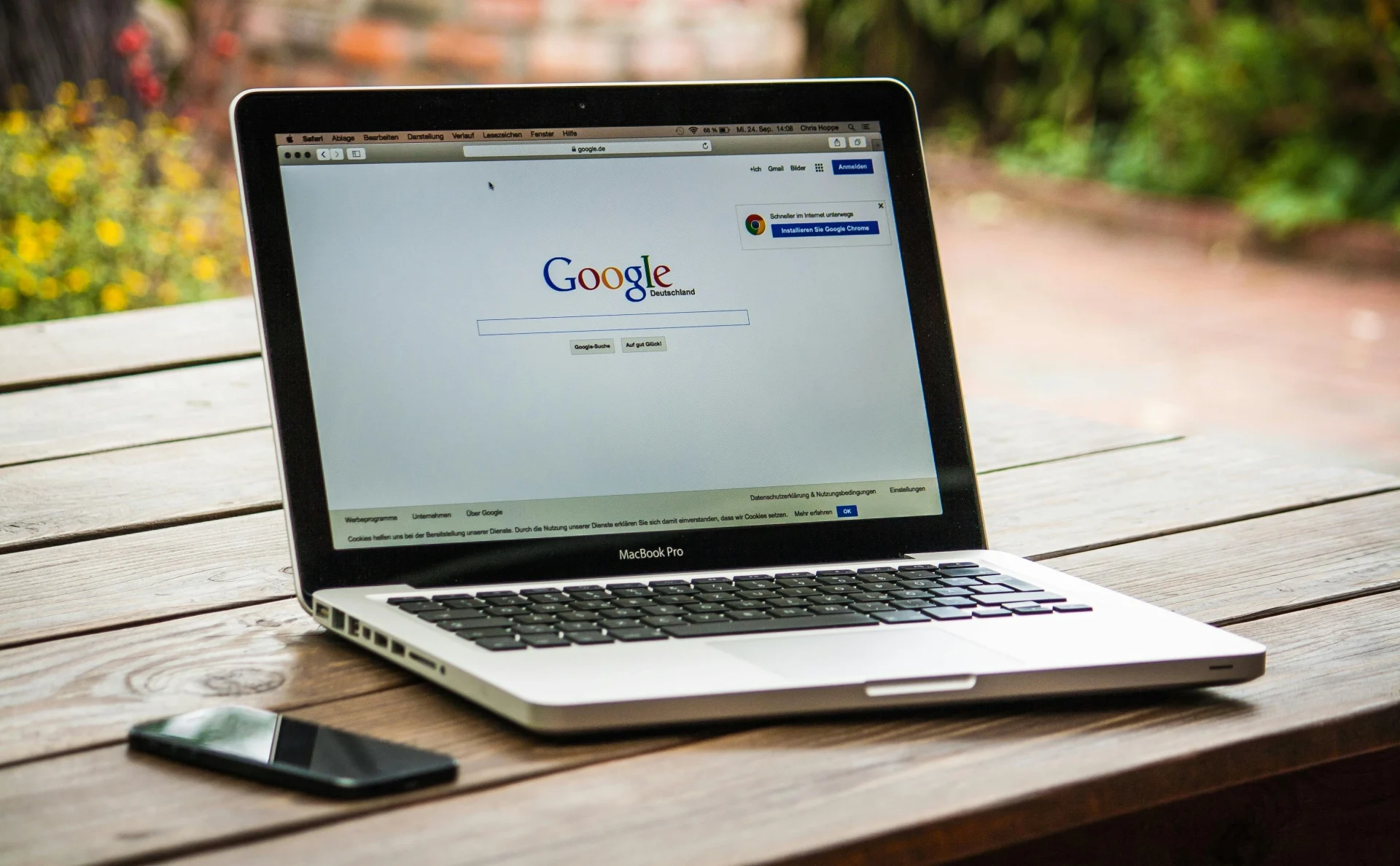
SEO (Search Engine Optimization) is the practice of optimizing your website’s content, structure, and technical elements to rank higher in search engine results pages (SERPs) organically. It involves strategies like keyword optimization, content creation, and technical improvements to increase visibility and drive quality traffic to your website without paying for ads.
Don’t sweat it. We make marketing easy, simple, and intuitive.
One thing that has replaced the role of a compass in our modern times, leading us through the
vast expanse of information, is search engines. Be it products, restaurants, or holidays, they
are the first place we turn to. For business owners, they are an opportunity, a golden one, to
send the right traffic your way.
SEO aligns your website to rank high on a search engine results page. This attracts more
visitors. The typical aim is always to get onto the first page of Google for those search terms
that are relevant and meaningful to your target audience. Thus, SEO is as much about your
audience’s desires and needs as it is about your website’s technical configuration aspects.
This is a general breakdown of how it works.
How do search engines work?
TL;DR: Search engines crawl, index, and rank billions of web pages using complex algorithms to deliver the most relevant results for user queries in milliseconds.
Search engines return results for any search query a user types in. To do this, they crawl and
“understand” the vast structure of web pages that comprise the Internet. An intricate
algorithm guides them. It tells them what results to give for each search.
For many, “search engine” is synonymous with Google, commanding about 92% of the global
search market as of 2026. Google-driven SEO strategies adhere to proven formats that yield optimal results.
Google’s mission is to deliver the best search experience to its users, and it does this by
providing the most relevant results in the shortest time possible.
This reduces the search experience to two main elements: the search term and user input.
Then, the search results themselves are the output.
The process involves three key stages:
- Crawling: Search engine bots discover and visit web pages
- Indexing: Pages are analyzed and stored in massive databases
- Ranking: Algorithms determine which pages best match search queries
How does Google make money?
TL;DR: Google generates over $280 billion annually from advertising revenue by selling ad placements in search results and across its network.
Google makes money from its free search product by providing companies with a way to pay
for ads at the top of search result pages. Google Ads displays these PPC ads marked with the
word “Ad” or “Sponsored”.
Anatomy of Search Results SERPs
The anatomy of search results, SERPs, includes paid search results and “organic” search
results. Google produces organic results by determining what sites are relevant and of good
quality. In 2026, Google processes over 8.5 billion searches daily, making it the world’s largest information gateway.
The role of SEO
TL;DR: SEO helps businesses earn free, high-quality website traffic by improving their visibility in organic search results.
SEO works to raise your organic search results ranking. Though SERP real estate can seem
cluttered with its many components, SEO is a robust and profitable undertaking.
Google processes billions of search queries daily. So, organic search results will always be a
big part of a huge pie. Securing and maintaining the organic rankings takes some investment,
but each click to drive traffic to your site is free.
Understanding why SEO is important for business growth is crucial for any company looking to establish a strong online presence. SEO provides measurable ROI, with studies showing that organic search drives 53% of all website traffic in 2026.
Core SEO elements that drive rankings
TL;DR: Successful SEO combines on-page optimization, technical SEO, content quality, and off-page signals like backlinks and user experience metrics.
Modern SEO in 2026 encompasses several interconnected elements that work together to improve search visibility:
On-Page SEO
- Proper keywords in titles, meta descriptions, and headlines.
- Descriptive URLs with keywords instead of random numbers.
- Schema markup indicates meaning in the page content, among other things.
- Header tag optimization (H1, H2, H3) for content structure
- Internal linking strategy to distribute page authority
Technical SEO
Technical SEO ensures search engines can effectively crawl and understand your website. Key factors include:
- Page loading speed (Core Web Vitals)
- Mobile responsiveness and mobile-first indexing
- SSL certificates and HTTPS security
- XML sitemaps and robots.txt optimization
- Structured data implementation
Content quality and E-A-T
Google’s algorithm increasingly prioritizes content that demonstrates Expertise, Authoritativeness, and Trustworthiness (E-A-T). This means creating comprehensive, well-researched content that serves user intent. The integration of AI-powered SEO automation tools has revolutionized how businesses optimize their content at scale.
SEO vs. emerging optimization strategies
TL;DR: While traditional SEO remains vital, new optimization methods like AEO (Answer Engine Optimization) are emerging to address AI-powered search experiences.
The digital marketing landscape has evolved significantly, with some experts suggesting that traditional digital marketing is dead and AI marketing is the future. However, SEO continues to adapt and remain relevant.
Understanding the differences between traditional SEO and newer approaches is crucial. For businesses looking to stay ahead, exploring our complete guide to AEO vs SEO provides insights into how Answer Engine Optimization complements traditional SEO strategies.
Key differences include:
- Traditional SEO: Focuses on ranking web pages for keyword queries
- AEO: Optimizes content to directly answer questions in AI-powered search results
- Voice Search Optimization: Targets conversational, long-tail queries
- Visual Search SEO: Optimizes images and visual content for search discovery
Measuring SEO success and ROI
TL;DR: SEO success is measured through organic traffic growth, keyword rankings, conversion rates, and revenue attribution from organic search channels.
Effective SEO measurement in 2026 requires tracking multiple metrics that align with business objectives:
Primary SEO metrics
- Organic Traffic: Total visits from search engines
- Keyword Rankings: Position for target keywords
- Click-Through Rate (CTR): Percentage of searchers who click your listing
- Conversion Rate: Visitors who complete desired actions
- Revenue Attribution: Sales directly tied to organic search
Advanced SEO analytics
Modern SEO measurement goes beyond basic metrics to include:
- Search visibility and impression share
- Featured snippet captures
- Local search performance (for location-based businesses)
- Brand mention tracking and sentiment analysis
It’s important to note that SEO works synergistically with other marketing efforts. Understanding why branding is important helps create a cohesive online presence that supports SEO efforts through brand recognition and trust signals.
FAQ
How long does SEO take to show results?
SEO typically takes 3-6 months to show significant results, though some changes can impact rankings within weeks. The timeline depends on factors like website authority, competition level, and the comprehensiveness of your SEO strategy. Established websites with strong domain authority may see faster results than new sites.
Is SEO still relevant in 2026?
Yes, SEO remains highly relevant in 2026. While the landscape has evolved with AI integration and new search features, organic search still drives the majority of website traffic. However, SEO now encompasses Answer Engine Optimization and other emerging strategies to stay effective.
Can i do SEO myself or do i need to hire professionals?
Basic SEO can be learned and implemented by business owners, especially for small websites. However, comprehensive SEO strategies often require professional expertise, especially for competitive markets or technical implementations. Many businesses find success combining DIY efforts with professional guidance for complex tasks.
What’s the difference between SEO and paid advertising?
SEO focuses on earning organic (free) search traffic through optimization, while paid advertising involves paying for immediate placement in search results. SEO provides long-term benefits and compounds over time, while paid ads stop generating traffic when you stop paying. Most successful digital strategies combine both approaches.
How much does SEO cost?
SEO costs vary widely based on scope and approach. DIY SEO mainly requires time investment and tool subscriptions ($100-500/month). Professional SEO services range from $1,000-10,000+ monthly depending on business size and competition. The ROI typically justifies the investment, with organic search providing 20x better ROI than paid advertising on average.
References
WAIM
AI powered marketing agency specializing in digital strategy, product promotion, and customer engagement. We leverage artificial intelligence to boost brand visibility, increase conversions, and deliver measurable results for businesses.
Related News