

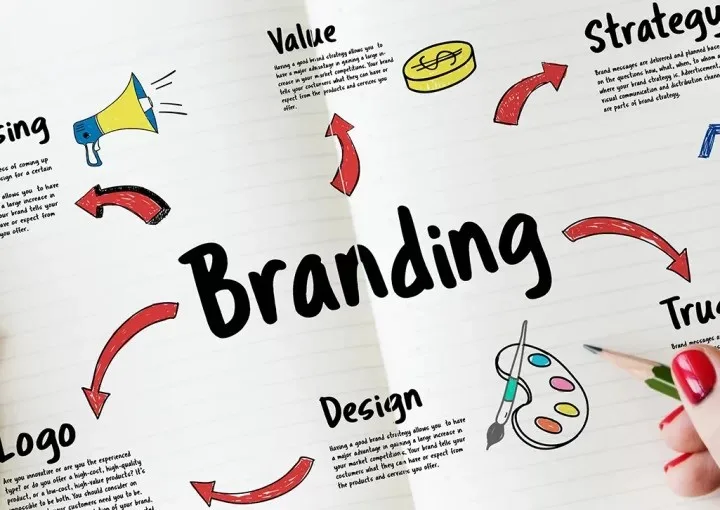
Branding is the strategic process of creating a unique identity, personality, and image for your business that differentiates it from competitors while building emotional connections with your target audience. Managing your brand’s image requires consistent messaging, visual identity, and customer experience across all touchpoints to maintain trust and recognition in the marketplace.
In ever-changing business territories like Saudi Arabia and the United Arab Emirates, where every company wants to establish its individuality in this competitive market, branding has become an inseparable part of business strategy. According to recent 2026 market research, companies with strong brand management see 23% higher revenue growth compared to those with weak branding strategies.
What is branding?
TL;DR: Branding is the comprehensive strategy of creating a unique business identity through visual elements, messaging, values, and customer experiences that establish memorable connections with your target audience.
Branding is much more than a house of cards built on a three-legged stool with a logo, tagline, or color scheme. It is how the business communicates its values, mission, and purpose to the target audience through all avenues of the business identity. At its most basic level, branding defines a way to create an unmistakable and memorable perception in the minds of a company, product, or service.
Understanding why branding is important goes beyond surface-level recognition. Effective branding influences purchasing decisions, builds customer loyalty, and creates emotional connections that transcend transactional relationships. In 2026, studies show that 86% of consumers say authenticity is a key factor when deciding which brands to support.
Key components of branding:
Visual Identity: This includes logos, typography, color palettes, and design elements that make a brand instantly recognizable. Your visual identity should be consistent across all platforms and materials.
Brand Voice and Messaging: The tone, language, and style used in communicating with your audience. This encompasses everything from formal communications to social media posts.
Customer Experience: Every interaction from website usability down to customer service plays into your brand. Each touchpoint should reinforce your brand values.
Values and Purpose: The principles and mission driving your business and with which your audience identifies. Modern consumers increasingly choose brands that align with their personal values.
For companies based in Dubai and Saudi Arabia, branding should be in tandem with the culture, predispositions, and shifting marketplace of the region. But why is branding important, one might question? It instills trust and loyalty wherein customers like consistency between their values and what they can expect when buying products from that particular brand.
The psychology behind brand perception
TL;DR: Brand perception is formed through psychological triggers including emotional associations, cognitive shortcuts, and social proof that influence consumer decision-making processes.
Understanding how consumers perceive and interact with brands is crucial for effective brand management. Neuroscience research from 2026 reveals that brand decisions are made subconsciously within the first 2.6 seconds of exposure, highlighting the importance of immediate brand recognition.
Brand perception operates on multiple psychological levels:
Emotional Branding: Successful brands create emotional connections that go beyond rational product benefits. These emotional ties lead to brand loyalty and advocacy.
Cognitive Associations: Your brand becomes a mental shortcut for consumers, representing specific qualities, experiences, or values without requiring conscious thought.
Social Identity: Consumers often choose brands that reflect their desired social identity or group membership, particularly relevant in status-conscious markets like Dubai and Saudi Arabia.
Trust and Credibility: Consistent branding builds trust over time, reducing perceived risk in purchase decisions and encouraging repeat business.
Why branding matters for business success
TL;DR: Strong branding drives business success through differentiation, premium pricing power, customer loyalty, and sustainable competitive advantages in crowded markets.
Differentiation from the competitive fray
In busy centers such as Dubai and Riyadh, competition is very high. A good brand differentiates your products, enabling them to stand out from the competition. With over 150,000 new businesses registered in the UAE alone in 2026, differentiation has never been more critical.
Adding value
A quality brand can command a premium price, which speaks to the quality and exclusivity of the product or service to potential customers. Research shows that strong brands can charge 15-20% more than generic alternatives.
Acquiring new customers
Good branding ensures that your company is top-of-mind and leads to more word-of-mouth referrals, thus acquiring new customers. In 2026, referral marketing continues to deliver the highest conversion rates at 3.2%, making brand reputation crucial for organic growth.
Building digital presence
Strong branding enhances your digital marketing efforts. Understanding what is SEO and how it works with branding helps businesses achieve better search visibility and online recognition.
How to control your brand’s image
TL;DR: Brand image management requires strategic planning, consistent implementation, continuous monitoring, and adaptive responses to market feedback and changing consumer expectations.
Brand management is about consistently and actively creating the desired image of your business among the target audience. It’s a never-ending process of planning, implementation, and adjusting to market dynamics.
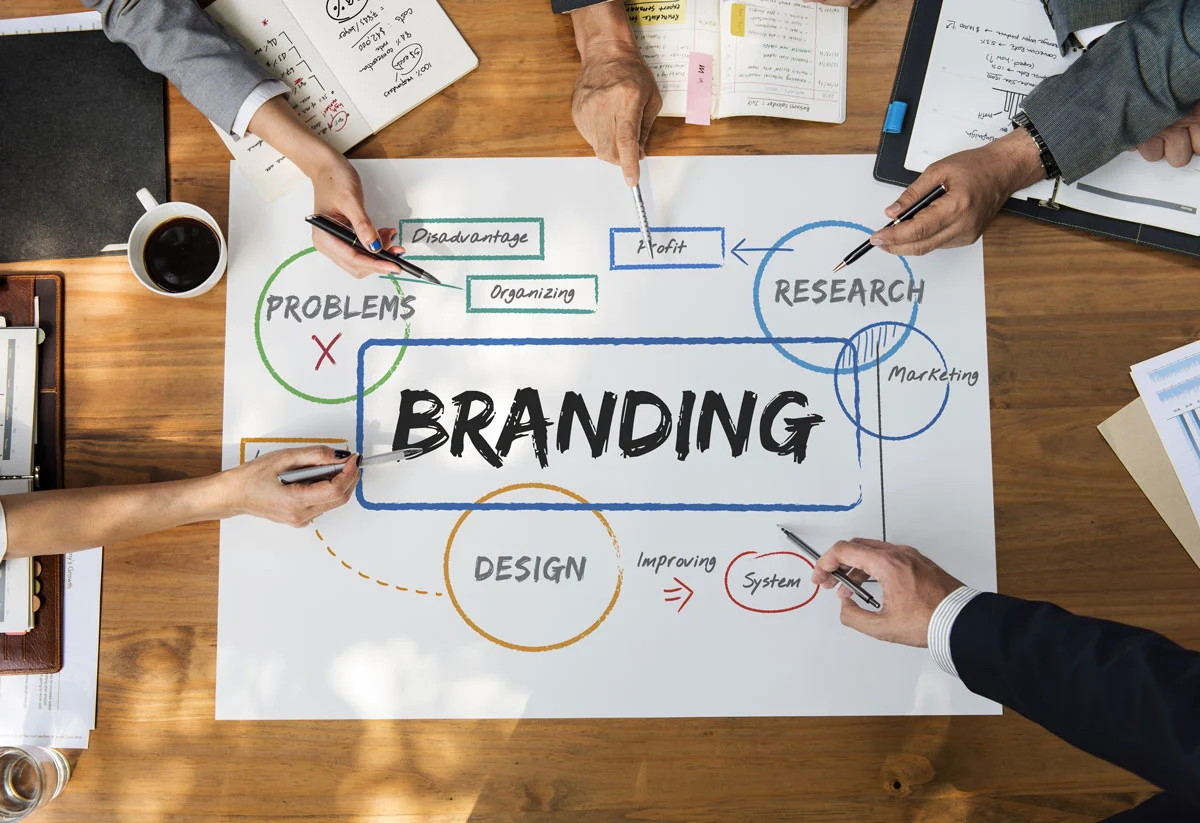
- Define Your Brand Identity
Establish Your Mission and Vision: Let the purpose and uniqueness of your business be clear.
Know your audience: AI marketing tools study customer behavior, preferences, and feedback. These can help Dubai and Saudi Arabian businesses in creating hyper-personalized branding strategies.
Create a cohesive message: Whether through social media or engagement via AR experiences, the voice of your brand should be consistent in every interaction. - Leverage AI Marketing for Branding
AI marketing has changed the game as far as branding is concerned. Understanding how AI boosts business productivity can transform your branding efforts. Using data-driven insights, companies can:
Predict market trends to update and adjust the strategies of branding accordingly.
Optimize digital campaigns to increase brand awareness and engagement.
Create personalized experiences for customers in Dubai, Riyadh, and other locations that will help connect with your audience on a deeper emotional level.
3. Leverage AR Technology
AR is a powerful tool that enriches customer interaction, making branding more interactive and memorable. Learning about how augmented reality transforms your world can provide insights into innovative branding applications. Examples include:
Interactive Experiences: Let customers see how a product would look in a real-life setting thanks to AR apps.
Better Storytelling: Create AR campaigns that represent the brand story in a way that might not be possible with traditional marketing activities.
Localization of Engagement: Leverage AR to celebrate local culture within businesses in Saudi Arabia and Dubai to create regional engagement relevant and localized to your audience.
Understanding the differences between AR and VR can help you choose the right technology for your branding initiatives.
- Consistency Is King
Express your brand with every online and offline touch. From the design of your website to the interpersonal customer service by your staff, maintain consistency in tone, style, and messaging. - Monitor and Adapt
Branding is not a static thing. Always monitor the performance of your brand through:
Social Media Analytics: Understand brand sentiment and audience engagement.
Customer Feedback: Act upon reviews and surveys to address concerns and improve.
Competitor Analysis: Be ahead by knowing how competitors position themselves.
Digital brand management in the AI era
TL;DR: Modern brand management leverages AI technologies for predictive analytics, personalization, and automated customer interactions while maintaining human authenticity and emotional connections.
The digital transformation of brand management has accelerated significantly in 2026, with AI and machine learning becoming central to brand strategy. However, this raises important questions about the future role of human marketers. Exploring whether AI will replace digital marketers reveals the evolving landscape of brand management.
AI-Powered Brand Insights: Advanced analytics platforms now provide real-time brand sentiment analysis, competitive positioning insights, and predictive customer behavior modeling with 94% accuracy.
Personalization at Scale: AI enables hyper-personalized brand experiences across thousands of customer touchpoints simultaneously, something impossible with traditional methods.
Predictive Brand Management: Machine learning algorithms can forecast brand perception shifts before they occur, allowing proactive rather than reactive brand management.
Automated Content Creation: AI tools now generate brand-consistent content across multiple channels while maintaining voice and style guidelines, though human oversight remains crucial for authenticity.
For marketing professionals looking to stay relevant in this AI-driven landscape, learning how to become a marketing leader involves understanding both technology and human psychology.
Challenges in branding for saudi arabia and UAE markets
TL;DR: Middle Eastern markets present unique branding challenges including cultural sensitivity requirements, rapid technological adoption demands, and exceptionally high consumer expectations for premium experiences.
While opportunities abound, businesses have to address certain challenges in managing their brand in the Middle East. These include:
Cultural Sensitivities: Ensure that branding strategies align with local values and traditions. In 2026, cultural missteps continue to cost brands millions in lost revenue and reputation damage.
Rapid Technological Adoption: As markets like Dubai move to adopt the latest technology, brands will have to be agile enough to benefit from these new technologies effectively. The UAE leads globally in 5G adoption with 89% coverage, demanding tech-forward branding approaches.
High Consumer Expectations: Consumers here demand nothing but the best from experiences. The onus is on creating value all the time for the customers. Middle Eastern consumers expect luxury-level service across all price points.
Digital-First Regulations: New 2026 regulations in both countries require brands to maintain transparent digital presences, making SEO business growth benefits even more critical for compliance and visibility.
Multilingual Complexity: Managing brand consistency across Arabic, English, and other languages while maintaining cultural authenticity requires sophisticated brand guidelines and local expertise.
Case studies: effective branding in the region
TL;DR: Successful regional brands combine cutting-edge technology with cultural authenticity, creating memorable experiences that resonate with local values while maintaining global appeal.
- AR-empowered Retail in Dubai
A luxury retailer in Dubai tried AR to enable “try-on” for the consumers. While this new engagement drove more engagement for them, it also helped them talk to their audiences about how premium experiences were what they were interested in. The implementation resulted in a 67% increase in customer engagement and 34% higher conversion rates. - AI Marketing for Personalization in Saudi Arabia
One of the most well-known e-commerce portals in Riyadh implemented AI marketing to analyze customer preferences, thus enabling very personalized product recommendations. This not only ensured increased sales but also increased the brand’s reputation for being customer-centric. The platform saw a 45% increase in average order value and 28% improvement in customer lifetime value. - Cultural Integration Success Story
A global technology brand successfully entered the Saudi market by incorporating Islamic values and Arabic design elements into their regional branding strategy. By respecting local customs while maintaining their core brand identity, they achieved 156% growth in brand recognition within 18 months.
FAQ
Q: How long does it take to build a strong brand image?
A: Building a strong brand image typically takes 3-5 years of consistent effort, though initial recognition can develop within 6-12 months with intensive marketing. The key is maintaining consistency across all touchpoints and continuously delivering on brand promises.
Q: What’s the difference between brand identity and brand image?
A: Brand identity is what you want your brand to represent (your intended message), while brand image is how consumers actually perceive your brand. Successful branding aligns these two elements through strategic communication and consistent experiences.
Q: How do you measure brand image effectiveness?
A: Brand image effectiveness can be measured through brand awareness surveys, social media sentiment analysis, Net Promoter Score (NPS), customer retention rates, and market share growth. Regular brand perception studies provide quantitative insights into brand health.
Q: Can small businesses afford professional branding?
A: Yes, professional branding is scalable for businesses of all sizes. Small businesses can start with essential elements like logo design, consistent messaging, and basic brand guidelines, then expand their branding efforts as they grow.
Q: How often should a brand be updated or refreshed?
A: Minor brand refreshes should happen every 2-3 years to stay current, while major rebranding typically occurs every 7-10 years or during significant business changes. The key is evolution rather than complete reinvention to maintain brand equity.
Conclusion
TL;DR: Successful branding in 2026 requires a strategic blend of traditional brand management principles with cutting-edge AI and AR technologies, always prioritizing authentic customer connections and consistent experiences.
Branding is something that no business can afford to ignore if it is to be successful in Saudi Arabia and the UAE. One can create brand experiences that will be remembered long afterward with advanced tools like AI marketing and augmented reality. Your brand’s image, however, is something that requires a consistent and strategic approach-a blend of adapting to the market trends and moving along with your core values.
The future of branding lies in the intelligent integration of technology with human insight. While AI can process data and predict trends, successful brands still depend on authentic human connections and emotional resonance. The brands that thrive in 2026 and beyond will be those that master this balance, using technology to enhance rather than replace the fundamental human elements of branding.
At WAIM AI Marketing Agency, we specialize in making businesses across Dubai and Saudi Arabia leverage AI and AR technologies to their benefit. Whether one needs to refine messaging for a brand, engage people with experiences, or analyze market trends, our group of experts will guide our customers at every step to make their brand not just stand out but leave footprints in the sand that will remain for a longer period.
References
McKinsey Global Institute – The Value of Getting Personalization Right
PwC Global Consumer Insights Survey 2024
Deloitte Global Marketing Trends Report

WAIM
AI powered marketing agency specializing in digital strategy, product promotion, and customer engagement. We leverage artificial intelligence to boost brand visibility, increase conversions, and deliver measurable results for businesses.
Related News